The resignation request by the head of the Investigating Directorate Against Corruption has exposed a deeper problem at the heart of South Africa's prosecuting authority. The Prosecutions Project argues that opaque, executive-controlled appointment processes undermine public confidence and is calling for urgent legislative reform to ensure transparent, independent and merit-based appointments to the National Prosecuting Authority's senior leadership.
Jean Redpath | Exec experience over litigation? How the NDPP job advert got it wrong
This article was originally published on News24 on 3 December 2025.
South Africa’s selection process for its top prosecutor is fundamentally flawed, with an arbitrary “executive management” requirement that excludes most qualified legal professionals from a role that is inherently about legal expertise, not corporate leadership, writes Jean Redpath.
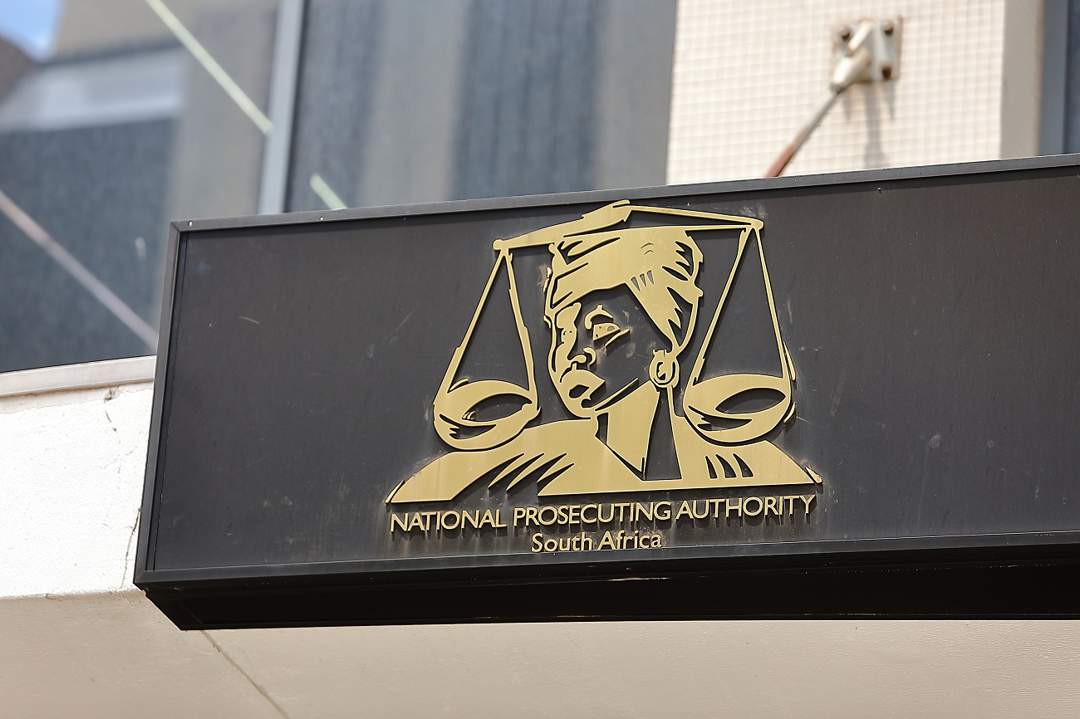
The process for the selection of a new National Director of Public Prosecutions (NDPP) is concerning. Many have pointed out the problems with the selection panel, which excludes the broader legal profession and is heavy with government-appointed non-legal representatives. But the advertisement for the NDPP is also concerning, as it reveals a misconception of the NDPP’s role, and the resultant shortlist reflects that. The issue of the appointment of all senior prosecutors and of prosecutors generally is ripe for reform.
The NDPP job advertisement adds to the legislated NDPP appointment requirements by requiring “a minimum of 10 years’ executive management experience”.
The legal requirements are:
- “Legal qualifications that would entitle him or her to practise in all courts in the Republic”; and
- “A fit and proper person, with due regard to their experience, conscientiousness, and integrity, to be entrusted with the responsibilities of the office”.
Most countries do have an experience requirement, but this is appropriately focused on years of litigation experience, not executive management. The latter is perplexing.
First, while executive management is often required to manage finances, the National Prosecuting Authority (NPA) does not have control over its own finances. The NPA is a programme of the Department of Justice, and the director-general of Justice, not the NDPP, is the accounting officer for the NPA.
Second, it is the directors of public prosecutions (DPPs) in the divisions, not the NDPP, who are responsible for the day-to-day management of the deputy directors and prosecutors under their control, subject to the directions of the NDPP.
The main management job thus happens in the divisions, not at national level.
Excluded
Third, the cohort of people likely to have the necessary skills and experience for the functions of the NDPP is excluded from consideration. The primary NDPP functions are to set prosecution policy and prosecution guidelines, to intervene when these are not complied with, and to review decisions to prosecute or not to prosecute – these are inherently legal functions in nature and would require a person with extensive legal and litigation experience.
Advocates at the Bar would have these skills. But advocates work for themselves, and therefore would not have any “executive management experience”, nor would attorneys at small firms.
The panel has, by adding this requirement, ensured that most of the profession of attorneys and advocates are excluded from consideration. (The Law Society and the Bar Association were also excluded from the panel responsible for the selection of the NDPP.)
READ | Pierre de Vos: SA needs a bold NDPP disruptor, but will get another timid reformer
Yet, these are precisely the main category of people who are “entitled to practise in all the courts of the Republic”. Who is left when combining the legal and management requirements? In summary, mainly prosecutors, but it is worth considering why in more detail.
First up, those legal practitioners who, at some stage, were admitted as attorneys or advocates and obtained the necessary right of appearance in all courts, but then worked in management outside the profession. Such people could have minimal litigation experience, but would qualify. There is no shortlisted candidate in this category.
The second category comprises senior prosecutors in management roles. Surprisingly, prosecutors are not required by law to be legal practitioners. However, with three years’ experience in the regional court and the written authorisation of the NDPP, prosecutors have “the right of appearance in any court of the Republic”.
Fit and proper?
This is the category in which the shortlisted candidates, Adrian Mopp, Nicolette Bell, and Andrea Johnson, fall, although it is unclear whether their right of appearance is a result of being prosecutors or of prior formal admission. Either way, they have the right of appearance.
The third category is former prosecutors who have been formally admitted as legal practitioners and who were previously in a management-type position. This is the category in which the shortlisted candidate Hermione Cronje falls – and also Menzi Simelane, although the “fit and proper” requirement provides a strong argument that he should not be on the shortlist at all, and the panel has undermined its credibility by including him.
READ | Serjeant at the Bar: Menzi Simelane – Rejected by ConCourt but still on NPA shortlist
The final candidate, Xolisile Jennifer Khanyile, presents a conundrum. Although formerly a prosecutor in a management role, she does not now have the right of appearance, because she only had that right while a prosecutor. She was not formally admitted. Would it be permissible for her to be appointed, if before appointment, she does not have the right of appearance? Would she then be able to authorise herself to have the necessary right of appearance, once appointed?
The process so far raises many questions. Why did the panel include so few able to assess candidates’ legal skills – the main job of the NDPP? Who were the other 32 applicants who did not meet the “minimum requirements”? How many legal practitioners were deterred from applying because of the “executive” requirement? Is the requirement rational, given the intensely legal nature of the NDPP role? Was the requirement deliberately inserted to remove from consideration much of the legal profession?
Reform needed
The current rushed and ad-hoc process underscores the need for reform of the NPA legislation to govern all NPA appointments.
Prosecutors urgently require professionalisation and to be brought into the fold of legal practitioners, with the same kind of rigorous process for admission as applies to attorneys and advocates, if the NPA is to perform.
There needs to be a rational, legislated, transparent process and requirements for the appointment of the NDPP – and the DPPs, who wield immense power and serve until age 65. Currently, the president appoints, and many current appointees were appointed by previous presidents.
Furthermore, the minister appoints deputy DPPs. While changing the appointment process of the NDPP may require a constitutional amendment, changes to the NPA Act would be sufficient to reform the appointment of DPPs and prosecutors generally.
For these and other reasons, the NPA, as currently legislated, is highly likely to fail to prosecute “without fear, favour or prejudice”, as constitutionally required, whoever is NDPP. The situation is crying out for reform.
Related Posts